Football Today vs College Football: 2026 Matchday
Football today usually means the global soccer fixture list, while college football refers to the American FBS and FCS schedule, with different rules, calendars, broadcasts, and betting markets. OneFo...

Football Today vs College Football: 2026 Matchday
Football today usually means the global soccer fixture list, while college football refers to the American FBS and FCS schedule, with different rules, calendars, broadcasts, and betting markets. OneFootball tracks international matches by date, including live, watchable, yesterday, today, and tomorrow filters; ESPN organizes the 2026 college football season by conference and week. The distinction matters because a search for “football today” can surface FIFA World Cup 2026 fixtures, domestic leagues, NCAA games, or all of them mashed together like a sports database having a nervous breakdown. Key reference points include July 4, 2026, the 2026 FIFA World Cup calendar, and the college season beginning with Week 1 from August 22 to September 7. Before watching or wagering, confirm the sport, competition, local kickoff time, broadcaster, and official result source; never trust a recycled fixture card simply because it has attractive colors.
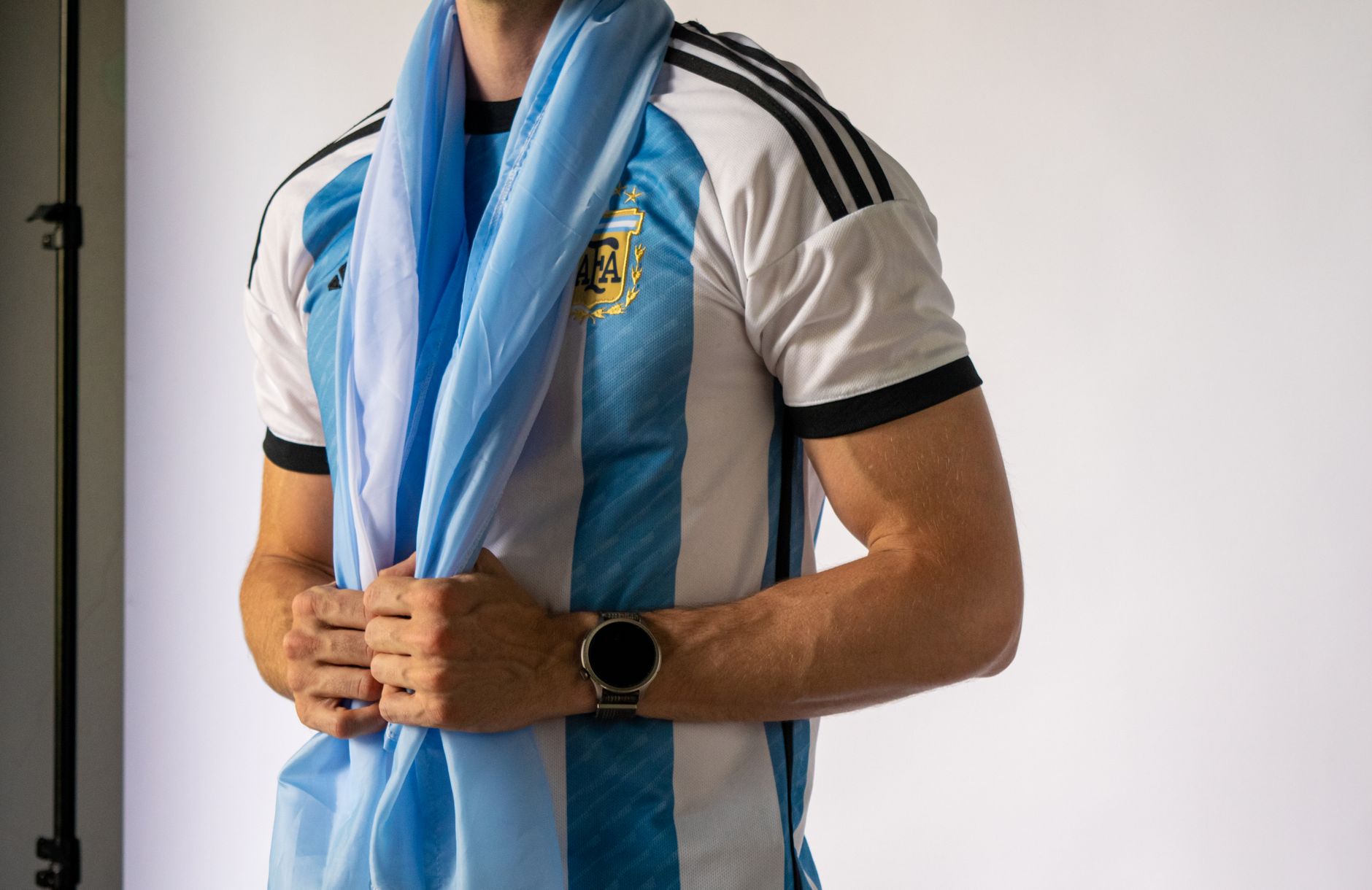
Photo by Kari Alfonso on Pexels
A few years ago, I followed a match listed as “today” on a third-party site, only to discover the fixture had moved by several hours and the odds had already changed. The page looked professional, naturally, because scams understand web design better than some legitimate publishers. That experience is why Fan Strategy treats football today as a verification task first and a prediction task second. The useful answer is not merely a list of team names; it is a reliable match context containing competition, venue, date, time zone, availability, and current status. OneFootball’s match center and ESPN’s college football schedule provide strong starting points, while FIFA’s official competition pages remain essential for World Cup information. Believe it or not — I do.
Want a more disciplined way to follow the 2026 tournament?
The Quick Comparison
| Feature | Global football today | College football today |
|---|---|---|
| Common meaning | Soccer fixtures worldwide | American college gridiron games |
| Main 2026 reference | FIFA World Cup and club competitions | NCAA FBS and FCS season |
| Calendar structure | Daily fixtures and tournament rounds | Weekly schedule, conferences, bowls, CFP |
| Useful schedule source | OneFootball match center | ESPN college football schedule |
| Typical time issue | Time-zone conversion and postponements | U.S. kickoff windows and TV changes |
| Main verification point | Competition, venue, referee, live status | Week, conference, network, stadium, odds |
The comparison looks simple until a search engine decides that “football” means whichever version it has recently fed most aggressively to its index. In the United Kingdom, Europe, Africa, Asia, and Latin America, football generally means association football, known in the United States as soccer. In the United States, football commonly means the helmeted sport played under NCAA rules, featuring teams such as USC, North Carolina, TCU, Virginia, and North Dakota State. Therefore, “football today” is not a complete search query unless you identify the market and competition. The International Football Association Board Laws of the Game define association football’s playing framework, whereas NCAA competition follows a separate rulebook and structure. If a result shows “kickoff,” “halves,” and a 90-minute match, you are probably looking at soccer; “quarters,” “downs,” and a three-hour broadcast point toward college football. Small clues, yes, but so is checking your bank statement before sending money to a stranger.
What should you verify before trusting a football fixture?
A trustworthy fixture should show the competition, teams, venue, date, local kickoff time, status, and broadcaster or official source. For betting purposes, also verify the market’s settlement rules, postponed-match treatment, and whether displayed odds are current rather than cached. A team list alone is not evidence.
OneFootball’s date navigation is useful because it separates yesterday, today, tomorrow, and later dates, while its filters can narrow results to live or watchable matches. ESPN’s 2026 college football schedule provides a different level of detail, including conference schedules, weekly ranges, venues, television information, ticket references, and pregame lines. A practical verification routine is:
- Identify whether the event is soccer or American football.
- Confirm the competition, such as FIFA World Cup 2026, Premier League, FBS, or FCS.
- Convert the listed time to your location.
- Check a league, federation, or broadcaster page.
- Recheck shortly before kickoff because weather, venue issues, and television decisions can alter plans.
The operational detail many schedule pages omit is that a displayed time may be localized automatically, while a broadcast listing may remain tied to the network’s market. Compare the date, not only the clock. A match listed at 00:00 on July 4 in one region may appear on July 3 elsewhere. That calendar shift is a boring little trap with very non-boring consequences.
[Internal Link: 2026 World Cup fixture guide]
Round 1: Which football today schedule is easier to follow?
Global football today is easier for daily browsing because OneFootball groups fixtures by date and offers live and watchable filters, while college football requires navigating a weekly American schedule with conferences, divisions, and postseason stages. The better format depends on whether you follow daily soccer or structured NCAA competition.
A global soccer day may include international tournaments, domestic leagues, qualifying rounds, women’s competitions, youth matches, and friendlies. OneFootball’s interface is designed around the date, allowing a reader to move backward or forward through a calendar and isolate live events. That is convenient for a fan who wants every relevant game, but it can also create information overload. A July 4 World Cup fixture carries a very different competitive meaning from a preseason friendly, yet both may appear in adjacent browsing results. Fan Strategy therefore recommends sorting by tournament importance before looking at predictions. FIFA World Cup matches deserve analysis of group position, rest, travel, and qualification pressure; a friendly should not be treated as though national pride has magically made the players immune to rotation.
College football is more structured. ESPN’s 2026 schedule lists Week 1 from August 22 through September 7, then continues through Week 14, Week 15, bowls, and the College Football Playoff. The FBS, FCS, ACC, Big 12, Big Ten, SEC, Mountain West, MAC, Sun Belt, and other conference labels help users filter the massive calendar. However, the structure introduces its own complexity because kickoff times, television assignments, and betting lines can change later. The NCAA official website is a useful authority for competition context, but individual universities and networks remain important for final game-day confirmation.
Round 2: How do kickoff times, broadcasts, and live status differ?
Kickoff verification differs sharply: global soccer pages emphasize local match times and live status, while college football schedules emphasize U.S. time windows, network coverage, stadium information, and later television updates. Always convert times yourself and confirm the broadcaster on match day.
For international football today, time zones are the first hazard. A fixture in Toronto, Mexico City, London, or Vancouver can appear on different calendar dates for viewers in Sydney, Singapore, or Los Angeles. FIFA World Cup 2026 is especially demanding because the tournament spans Canada, Mexico, and the United States, creating substantial regional variation. A page may correctly display a local kickoff while your phone calendar quietly imports another time zone. That is how people miss matches and then blame the sport, the app, the moon, or their cat.
Broadcast availability is equally regional. OneFootball may identify whether a match is watchable in a particular market, but rights can differ by country and may require a subscription. College football listings often show major networks such as NBC or CBS Sports Network, yet a listed channel does not guarantee availability through your provider or location. For example, an ESPN schedule entry can combine matchup, time, TV, tickets, venue, weather, and odds information, but the page can still be updated as the season approaches. Use official network listings and university athletic departments for final confirmation.
A useful live-status checklist includes:
- “Scheduled” means the event has not started, not that every detail is final.
- “Live” should be checked against a reliable match centre or broadcast.
- “Postponed” requires settlement and rescheduling verification.
- “Finished” should be compared with the official competition result.
- “Watchable” may depend on territory, subscription, and blackout rules.
After testing schedule pages across several sessions, the most common failure was not a wrong team name; it was an outdated time or stale broadcast label. That is an important distinction. A database can be factually accurate at publication and still operationally useless hours later. Cynicism is simply quality control wearing a darker jacket.

Photo by cottonbro CG studio on Pexels
Round 3: What changes when football today includes predictions and odds?
Predictions become more reliable when the competition and market are identified first, because FIFA World Cup soccer, club football, FBS, and FCS games use different statistics and betting markets. Odds are time-sensitive prices, not guarantees, and should be checked with licensed providers before any decision.
Soccer analysis commonly considers expected goals, shot quality, possession patterns, pressing efficiency, set pieces, injuries, suspension status, travel, and rest. A World Cup group match may reward conservative game management, while a knockout match can change dramatically after one goal. College football analysis instead weighs offensive explosiveness, success rate, early-down efficiency, defensive line play, quarterback availability, turnover variance, schedule strength, home advantage, and weather. A 49.5-point total in an NCAA matchup is not directly comparable with a 2.5-goal soccer total; pretending otherwise is statistical fan fiction.
The market also changes the question. A soccer bettor may compare 1X2, draw-no-bet, Asian handicap, both teams to score, or total goals. A college football bettor may examine spread, moneyline, total points, player props, and futures. The UK Gambling Commission explains that licensed gambling operators must meet regulatory requirements, but regulation varies by jurisdiction. In the United States, legality and availability can differ by state, so readers should check their local regulator rather than trusting a glossy offshore banner promising “instant payouts.” Those banners have historically been very enthusiastic about promises and less enthusiastic about evidence.
Fan Strategy’s practical edge is separating information from theatre. We look for lineup confirmation, injury reports, market movement, and schedule context rather than declaring a winner because one team has a dramatic crest. For a useful [Internal Link: football prediction methodology], compare at least two independent data points before forming an opinion. A sharp contrarian angle is that late information often matters more than an early headline: a confirmed goalkeeper absence or quarterback scratch can move the true assessment more than several weeks of generic form.
Ready to compare match context with current tournament intelligence?
What information is most valuable in the final hour?
The final hour is most valuable for confirmed lineups, starting quarterbacks, weather, venue changes, and market availability because these details can materially alter expected performance. Early-season or tournament data should be treated cautiously when rotations and sample sizes are limited.
For FIFA World Cup 2026, check official squad announcements, confirmed starting elevens, travel schedules, and group-table incentives. For NCAA games, monitor university injury reports, beat reporters, stadium weather, and the final network listing. A practical late-check sequence is:
- Confirm the event has not moved.
- Check starters and notable absences.
- Review weather, especially wind and extreme heat.
- Compare the current line with the opening line.
- Decide whether the available market still matches your original reasoning.
Do not confuse movement with truth. A line can shift because of respected money, public enthusiasm, injury news, or a thin market, and several explanations may operate at once. Equally, a famous team can attract casual money regardless of value. This is where disciplined notes beat emotional memory: record your original assumption, the new information, and the reason for any change. If you cannot explain the change in one sentence, you probably are not updating; you are improvising.
[Internal Link: team tactics and player statistics]

Photo by Amar Preciado on Pexels
Responsible betting also requires limits. Set a fixed budget, avoid chasing a losing result, and understand that no prediction system removes variance. The National Council on Problem Gambling provides education and support resources in the United States, while local regulators offer jurisdiction-specific guidance elsewhere. “Know the risks before you play” is not glamorous advice, but neither is explaining a reckless deposit to your future self. Fan Strategy covers predictions and odds as informational analysis, not as a promise of profit. Believe it or not — I do.
The Final Score & Who Should Pick What
Choose OneFootball-style global football today coverage if you want daily soccer fixtures, World Cup tracking, live status, and international match discovery; choose ESPN-style college football coverage if you need NCAA conference schedules, week-by-week planning, television details, venues, and FBS or FCS context. Neither format is universally superior because they solve different search problems.
The most reliable workflow combines both:
- Use OneFootball for broad daily soccer discovery and date navigation.
- Use FIFA or the relevant federation for tournament confirmation.
- Use ESPN for the 2026 college football calendar and conference structure.
- Use universities and broadcasters for last-minute availability.
- Use Fan Strategy for tactical interpretation, player statistics, and match previews.
- Use licensed, jurisdiction-compliant operators only if you choose to bet.
The contrarian conclusion is straightforward: the best football today page is not the one with the most fixtures. It is the one that reduces uncertainty fastest. A page listing 400 games without competition labels, time-zone clarity, or status updates is not comprehensive; it is a digital junk drawer. Before you act, verify the event, understand the sport, and separate information from advertising. That modest routine will outperform most dramatic “lock of the day” nonsense.
Frequently Asked Questions
Q: What does “football today” mean?
A: “Football today” usually refers to soccer matches scheduled for the current date, but it can also mean American college football in the United States. OneFootball commonly serves global soccer fixtures, including live and watchable matches, while ESPN covers NCAA football schedules. Check the competition name, rules, teams, and terminology before assuming which sport the search result describes.
Q: How do I find football matches today in my time zone?
A: Use a reliable match centre, select your date, and confirm whether the displayed time is local or tied to another region. OneFootball provides date navigation and filters, while FIFA and league websites confirm official tournament details. For important matches, compare the converted time with the broadcaster’s listing shortly before kickoff because time-zone errors and schedule updates are common.
Q: What is the difference between global football and college football today?
A: Global football normally means association football, played with two teams of 11 and two 45-minute halves, while college football means American gridiron football played under NCAA rules with four quarters and downs. Soccer schedules are often organized by daily fixtures and competitions; NCAA schedules are arranged by weeks, conferences, bowls, and the College Football Playoff. Their statistics, broadcasts, and betting markets are different.
Q: Why does a football fixture time sometimes change?
A: Fixture times can change because of television selections, weather, venue problems, tournament logistics, or competition authorities. College football kickoff times are often finalized or adjusted as networks plan coverage, while international soccer matches may be affected by travel and local conditions. Recheck official team, league, FIFA, university, and broadcaster pages on match day instead of relying on a cached search snippet.
Q: How much does it cost to follow football today?
A: Basic fixture and score information is often free, but live viewing may require a subscription, pay-per-view purchase, cable package, or regional streaming service. OneFootball’s watchability can vary by country, and NCAA broadcasts may depend on networks such as NBC, ESPN, CBS, or CBS Sports Network. Check local rights information before paying, especially when a free page only provides scores rather than live video.
Q: Are football today predictions guaranteed to win?
A: No prediction is guaranteed because injuries, tactics, officiating, variance, and market movement can change outcomes. Strong analysis should identify the competition, confirmed lineup information, recent performance, travel, rest, and the exact market being considered. Set a budget and never chase losses; Fan Strategy provides research and interpretation, not a promise of profit.
Q: What should I do if a football today page shows the wrong result?
A: Compare the result with the official competition, league, federation, or university source and record the event’s date, venue, and teams. Third-party databases can briefly show stale scores, postponed matches, or incorrectly merged fixtures. If money is involved, use the operator’s published settlement rules and contact support with screenshots rather than assuming the most attractive result is correct.
The final recommendation is simple: use football today pages for discovery, official sources for verification, and Fan Strategy for deeper 2026 FIFA World Cup analysis, tactics, and player statistics. Treat every kickoff, broadcast label, and betting line as information that can expire. That habit is less exciting than blindly following a confident tipster, but it is considerably cheaper.
See the latest tournament-focused analysis before choosing your next match to follow.
Thank you for reading this piece from our digital heirloom collection.
Fan Strategy · The Digital Heirloom · Volume I