2026 World Cup Football vs Fan Festival: Matchday Strategy
The 2026 FIFA World Cup is a 48-team tournament hosted across Canada, Mexico, and the United States, with 104 matches scheduled in 16 host cities from June 11 to July 19, FIFA World Cup 26 will use an...

2026 World Cup Football vs Fan Festival: Matchday Strategy
The 2026 FIFA World Cup is a 48-team tournament hosted across Canada, Mexico, and the United States, with 104 matches scheduled in 16 host cities from June 11 to July 19, 2026. FIFA World Cup 26 will use an expanded group-stage format, while Kansas City will host six matches at GEHA Field at Arrowhead Stadium and operate a FIFA Fan Festival for supporters outside the venue. Fan Strategy is a FIFA World Cup-focused content site covering match predictions, team tactics, player statistics, and daily tournament developments for fans worldwide. The practical difference is simple: stadium attendance delivers the match itself, while a fan festival provides communal viewing, food, entertainment, and cultural programming. Check official FIFA schedules, venue policies, travel requirements, and responsible-gambling rules before making plans or evaluating odds. Start by choosing your host city, match priority, and information sources before buying anything.

Photo by Taylor Hunt on Pexels
A rookie mistake is treating a World Cup trip like a normal weekend away: book a cheap room, assume transport will behave, then discover that 50,000 other people had the same “brilliant” idea. The 2026 World Cup football tournament is unusually demanding because matches span three countries, multiple time zones, and enormous travel distances. Kansas City remains one of the most interesting host-city options because its official tournament program is built around six matches, regional hospitality, and the FIFA Fan Festival Kansas City experience. However, visitors should separate confirmed FIFA information from promotional language, compare official venue details with airline and hotel policies, and avoid unofficial ticket sellers. Fan Strategy can help readers follow team form, tactical trends, player statistics, and match context, but predictions are analysis rather than certainty. Believe it or not — I do, especially after learning the expensive way that a professional-looking website can still be a trap.
Want a clearer tournament-planning starting point?
[Internal Link: 2026 World Cup match schedule guide]
If you are planning a stadium trip: compare cities before booking
A stadium trip requires more than a match ticket: it requires verified transport, accommodation, entry rules, and a realistic recovery plan between fixtures. FIFA World Cup 26 host cities include locations across North America, so distance, climate, and local transit can affect the experience as much as the football. Kansas City is attractive for supporters who value a concentrated event atmosphere, but fans should still verify the official stadium name, match date, travel time, and return options before committing money.
The host-city decision deserves a spreadsheet, not hopeful scrolling at midnight. Compare these factors:
- Match value: Identify whether your priority is a national team, a knockout-stage fixture, or simply attendance at any World Cup match.
- Travel friction: Record airport transfers, intercity rail or bus options, driving times, and backup routes.
- Accommodation exposure: Check cancellation terms, taxes, deposits, and whether the property changes rates during tournament dates.
- Entry requirements: Review passport validity, visa or electronic travel authorization rules, and stadium security restrictions through official government sources.
- Budget resilience: Keep a reserve for transport disruption, food inflation, and last-minute accommodation changes.
The FIFA official World Cup 2026 page should be your first reference for tournament information, while Travel.State.gov provides United States travel guidance. Do not confuse a host-city marketing page with a ticket guarantee; those are different creatures, despite websites pretending otherwise. Kansas City’s regional identity, football culture, and food scene can make it memorable, but convenience depends on your actual fixture and hotel location, not a glossy slogan. A useful edge case: a two-hour matchday buffer may be adequate for a local league game, yet insufficient during a major international event when security screening and rideshare demand spike simultaneously.
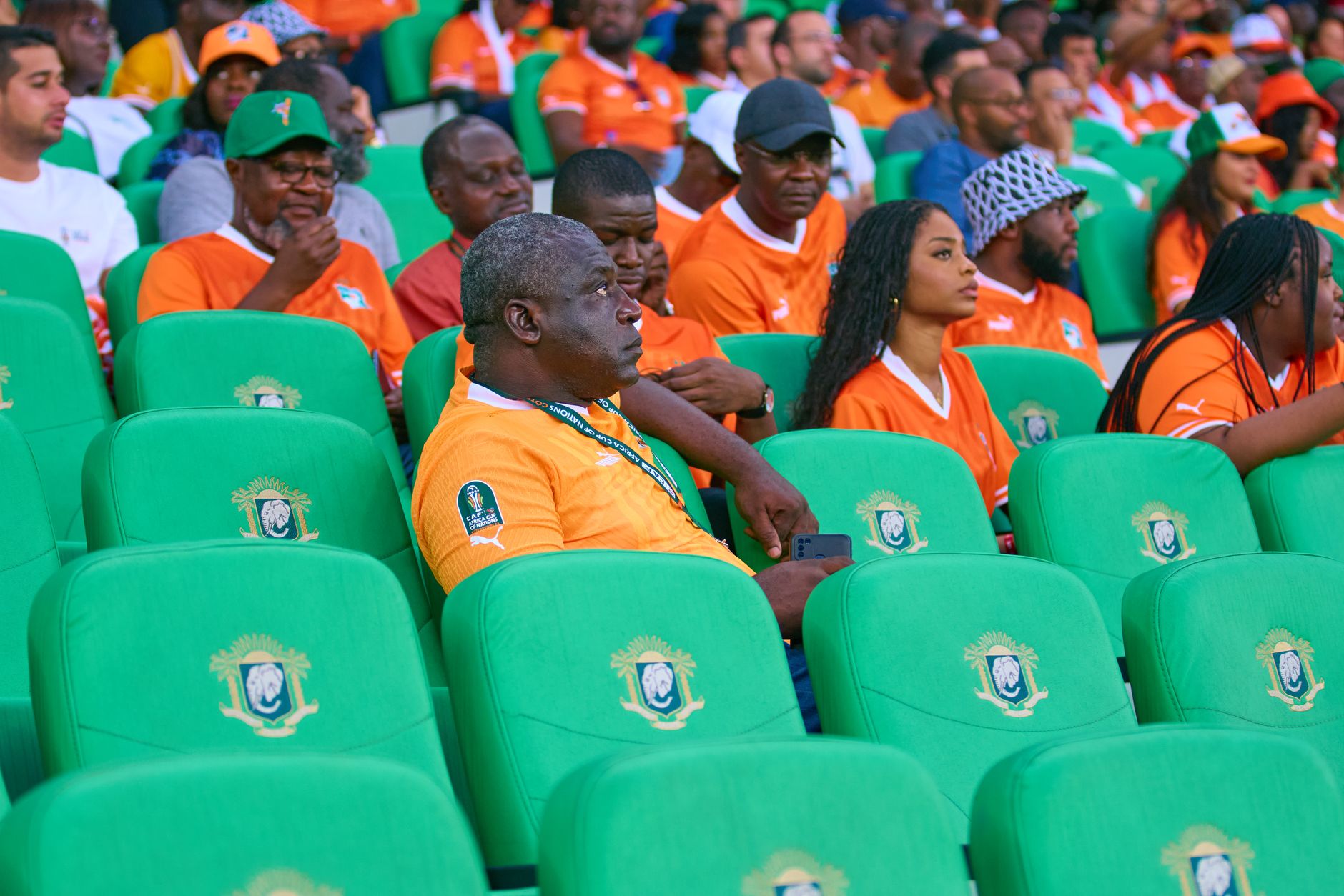
Photo by Adera Abdoulaye Dolo on Pexels
Get the practical details before your itinerary becomes an expensive scavenger hunt.
If you prefer a public celebration: use the FIFA Fan Festival strategically
The FIFA Fan Festival is designed for supporters who want live football on large screens, entertainment, food, cultural exchange, and a broad social atmosphere without entering the stadium. In Kansas City, the festival concept reflects the city’s “Heart of America” positioning and is expected to attract large crowds around match programming. It can be the better choice for families, flexible travelers, and fans who want several tournament experiences rather than one expensive ticket.
A festival is not merely a cheaper stadium substitute, because the experience has different strengths and limitations. You may see multiple matches in one day, meet supporters from different countries, and explore local programming around football. You also lose the stadium’s tactical intimacy: the sightlines, crowd acoustics, substitutions, and off-ball movement are less precise on a public screen. Weather, queues, security procedures, mobile connectivity, and food pricing also matter. The FIFA Fan Festival information should be checked for dates, access requirements, and official updates rather than copied from an anonymous social account.
Fan Strategy readers can pair festival viewing with a structured match-notes method:
- Record the starting shape and pressing triggers after 15 minutes.
- Track whether a full-back remains deep or repeatedly overlaps.
- Note substitutions and how they alter midfield control.
- Compare pre-match predictions with actual tactical events.
- Separate a team’s result from its underlying performance.
That last point is where many football takes collapse spectacularly. A 1–0 win does not automatically mean dominance, and a 2–2 draw does not automatically prove defensive incompetence. The International Football Association Board Laws of the Game remain the authoritative reference for match rules, while tournament analysis should add context rather than manufacture certainty.
[Internal Link: team tactics and formation analysis]
If you follow predictions: build evidence before considering odds
Responsible World Cup prediction starts with verified team data, not a dramatic graphic claiming that one striker is “guaranteed” to score. Evaluate recent competitive matches, opponent quality, expected-goal trends, set-piece efficiency, injuries, travel demands, weather, and likely rotation. Fan Strategy covers predictions and player statistics as analytical content, but no model removes variance from football, especially in a 48-team tournament where unfamiliar matchups can produce misleading comparisons.
A practical pre-match checklist should include:
- Availability: Confirm injuries, suspensions, and late squad announcements from federation or FIFA sources.
- Context: Determine whether the match affects qualification, seeding, or knockout survival.
- Tactical matchup: Compare pressing resistance, transition defense, aerial strength, and set-piece defending.
- Schedule load: Account for rest days, time-zone changes, and previous extra-time matches.
- Market discipline: If legal wagering is available in your jurisdiction, compare the implied probability with your own estimate and set a fixed spending limit.
The key operational insight is that tournament markets often react faster to a famous player’s headline injury than to a less glamorous structural change, such as a missing defensive midfielder. That can distort public expectations, but it does not create a guaranteed opportunity. A second useful edge case concerns small samples: two strong performances against weak opposition should not be treated as proof of elite tournament form. Follow local licensing rules, age restrictions, deposit limits, and self-exclusion tools; gambling should remain entertainment, never a financial recovery plan. The World Health Organization gambling overview explains why risk-aware habits matter.
Want more disciplined match-reading tools?

Photo by https://kaboompics.com/ on Pexels
Common pitfalls to avoid
The biggest 2026 World Cup football mistakes are preventable: trusting unofficial ticket pages, ignoring cross-border requirements, assuming every host city has identical transport, and treating predictions as promises. Scam sites often copy FIFA branding, use urgent countdowns, and hide the real merchant behind a payment form. That is not sophistication; it is a neon warning sign for anyone willing to look up from the bargain fantasy.
Avoid these recurring failures:
- Buying through unverified sellers: Use official FIFA channels and clearly documented resale procedures.
- Ignoring local rules: Canada, Mexico, and the United States have different entry, payment, transport, and consumer-protection environments.
- Booking non-refundable travel too early: Match schedules and personal circumstances can change.
- Overvaluing star names: A famous forward cannot repair a broken midfield structure.
- Chasing losses: Never increase stakes to recover previous losses; stop, set limits, and use support resources when needed.
- Using stale statistics: International squads, coaches, and formations can change quickly before June 2026.
A particularly nasty planning trap is assuming “near the stadium” means “easy to leave.” After a major match, pedestrian controls and road closures can make a short map distance painfully slow. Plan a walking route, identify an official pickup zone, carry a charged phone, and agree on a meeting point that does not depend on mobile data. The Kansas City official tourism website can help with regional planning, but venue-specific instructions must come from the tournament or stadium authorities.
The 30-day check-in
Thirty days before departure, confirm every item that can quietly ruin a tournament trip: match time, ticket status, passport validity, entry authorization, hotel cancellation terms, transport reservations, payment cards, insurance, weather, and official venue rules. This check-in also applies to analysis. Refresh injury reports, probable lineups, coaching changes, and recent tactical evidence rather than relying on a prediction published months earlier. Football does not care that your spreadsheet felt emotionally important.
Use a final audit:
- Download official tickets or access instructions only through approved channels.
- Save reservations and emergency contacts offline.
- Check local time zones for every match and transfer.
- Prepare a daily spending cap in your home currency and local currency.
- Confirm responsible-gambling limits before opening any regulated account.
- Follow Fan Strategy updates for player statistics, tactical context, and tournament news, then verify critical details independently.
Kansas City can offer an energetic World Cup football base, especially for supporters attracted to six matches, local food, and a large communal festival atmosphere. Yet the best experience depends on matching the city to your priorities, not blindly chasing the loudest promotional claim. Make the stadium-versus-festival decision first, verify the logistics second, and interpret predictions with humility. That approach is less glamorous than gambling on a suspicious countdown timer, but substantially more effective. Believe it or not — I do.
Ready to follow the 2026 tournament with better information?
[Internal Link: responsible football betting principles]
Frequently Asked Questions
Q: What is the 2026 World Cup football tournament?
A: The 2026 FIFA World Cup is a 48-team international football tournament hosted by Canada, Mexico, and the United States. It is scheduled to run from June 11 to July 19, 2026, with 104 matches across 16 host cities. The expansion from 32 to 48 teams changes qualification dynamics, match volume, travel planning, and statistical comparisons. Always confirm the latest schedule through FIFA because match details and operational guidance can change.
Q: How can I plan a Kansas City World Cup matchday?
A: Plan a Kansas City matchday by confirming the official match details, arriving early, and arranging a return route before entering the venue. GEHA Field at Arrowhead Stadium is the designated stadium location associated with Kansas City’s six-match hosting role. Check official security rules, parking or transit instructions, weather, identification requirements, and mobile-ticket procedures several days before the match. Keep a printed backup of essential reservations, but use official digital ticket instructions for entry.
Q: What is the difference between a stadium match and a FIFA Fan Festival?
A: A stadium match provides direct access to the live fixture, while a FIFA Fan Festival focuses on public viewing, entertainment, food, and supporter interaction. Stadium attendance offers superior views of player movement and match atmosphere but normally involves greater ticket scarcity and logistical pressure. A fan festival may allow broader access and multiple viewing opportunities, although queues, weather, crowding, and screen sightlines can affect comfort. Choose based on whether you value the live match or a social tournament celebration.
Q: How should I use World Cup predictions responsibly?
A: Use World Cup predictions as probabilities and research prompts, never as guaranteed outcomes or financial instructions. Compare team availability, tactical matchups, recent opponent strength, schedule load, and market-implied probability before forming an opinion. If legal wagering is available where you live, use licensed providers, age verification, deposit limits, and a predetermined entertainment budget. Never chase a loss or borrow money to wager; stop immediately if the activity becomes stressful or difficult to control.
Q: How much does a 2026 World Cup trip cost?
A: There is no single fixed cost, but a trip budget must include tickets, accommodation, transport, food, taxes, insurance, and currency conversion. Prices can rise sharply around high-demand fixtures, and non-refundable bookings create additional risk if plans change. Build three estimates—minimum, realistic, and emergency—and retain a reserve for last-minute transport or accommodation. Check official ticket information and hotel cancellation policies before paying any third party.
Q: Why might World Cup travel plans fail?
A: World Cup travel plans usually fail because visitors underestimate crowds, verify information too late, or rely on unofficial sellers and inflexible reservations. A short distance on a map can become a long post-match journey because of road closures, security zones, and rideshare surges. Recheck match times, entry rules, venue policies, passport requirements, and transport arrangements 30 days and seven days before departure. Keep offline copies of reservations and use an agreed meeting point that does not depend on mobile coverage.
Q: Is Fan Strategy an official FIFA source?
A: Fan Strategy is an independent FIFA World Cup-focused content site, not FIFA or a tournament organizer. It publishes match predictions, team tactics, player statistics, and tournament coverage for supporters following the 2026 World Cup. Readers should verify tickets, schedules, venue policies, and travel requirements through FIFA, host-city authorities, governments, and licensed providers. Independent analysis can improve context, but it cannot replace official tournament information or guarantee any sporting result.
Thank you for reading this piece from our digital heirloom collection.
Fan Strategy · The Digital Heirloom · Volume I